TOP PRODUCTS
Sale
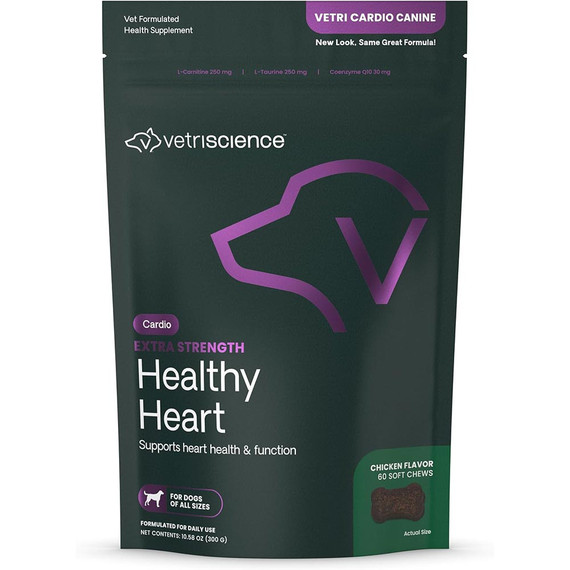

Cardio Strength
VetriScience Cardio Strength & Coenzyme Q-10
VetriScience Vetri Cardio Canine are veterinarian-formulated dog chews designed to support optimal heart health. They contain a synergistic blend of heart-healthy substances and amino acids like...
$13.49 - $36.99
Sale

Lean Treats
NutriSentials Lean Treats for Dogs
Made with Skinless Chicken in bite-sized pieces, lean treats are fun and tasty but low in fat to help you maintain a healthy weight for your best friend. These pieces can be easily broken to help...
$4.99 - $80.99
Sale


INABA Veterinarian Formula
INABA Veterinarian Formula Churu Nourish. Made with lickable ingredients that taste like tuna and chicken, Inaba Churu cat treats are high in moisture and made to keep your cat healthy. Easy-to-use...
$37.99 - $104.99
Sale
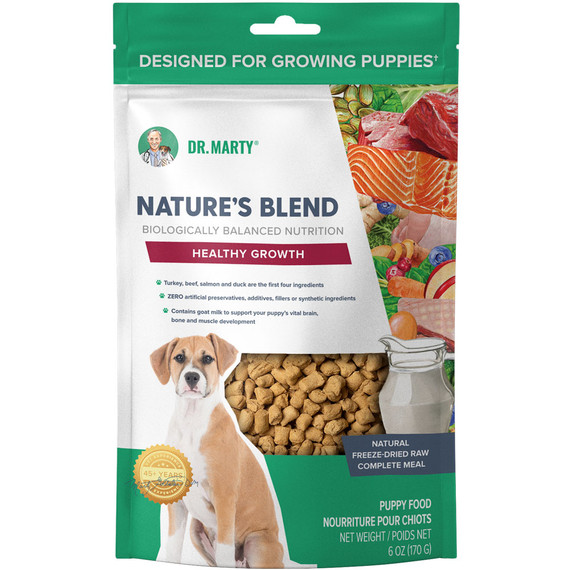

Nature's Blend
Dr. Marty Dog Food
Dr. Marty Nature's Blend Healthy Growth is a premium, freeze-dried raw puppy food designed to provide the protein and healthy fats your pup needs for optimum development. Each batch is filled with...
$15.39 - $52.21
Sale
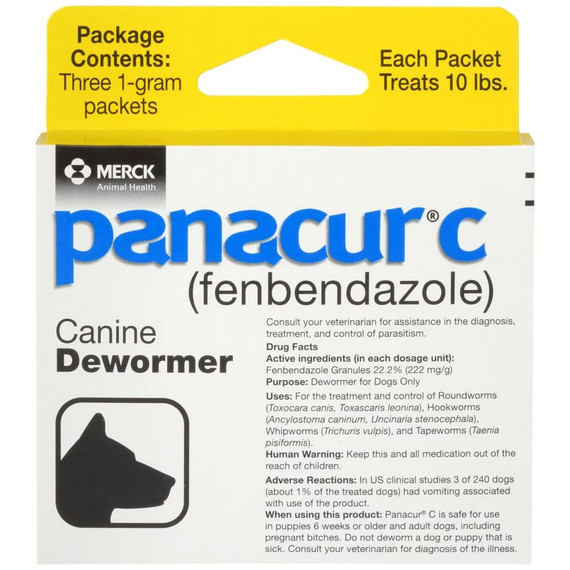
Panacur
Panacur C Dewormer
Panacur C (fenbendazole) is used to treat hookworms, roundworms, tapeworms, and whipworms in dogs. It is used by veterinarians to treat other parasites as well. It is available as 1Gm, 2Gm and 4Gm...
$9.99 - $115.99
Sale
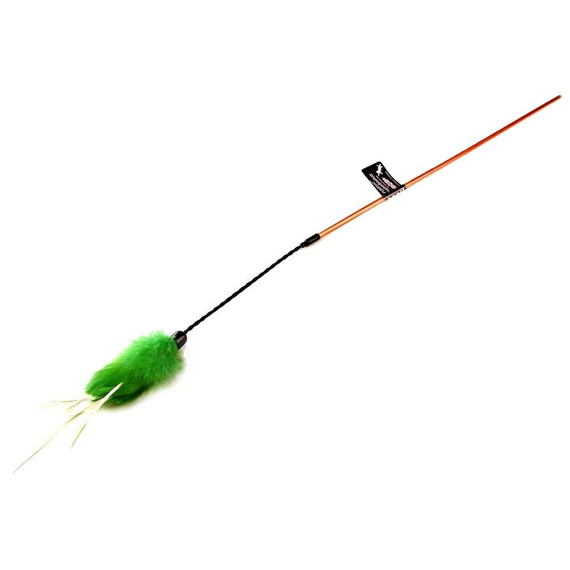
PURRfect Toys
The PURRfect Toys are a great way to keep your cat entertained and happy. They are made from high-quality materials that are safe for your cat to chew on, and they come in a variety of shapes and...
$7.99 - $9.78
Sale

VetriScience
VetriScience Vetri Disc for Dogs - Healthy Spine & Disc (180 Capsules)
Vetri-Disc Back Support Formula (180 Caps) for dogs is recommended to support proper function of the spine and connective tissue. Directions For Use: Under 15 lbs: 1 capsule daily. 16 to 35 lbs: 2...
Was:
$36.99
Now:
$29.34
Sale


Azodyl
Azodyl Kidney Supplement for Cats & Dogs
Azodyl is a breakthrough, non-prescription medication that helps support kidney health. Each coated Azodyl tablet contains a patented formula of beneficial bacteria that reduce toxin build up in the...
$86.49 - $507.99
Sale
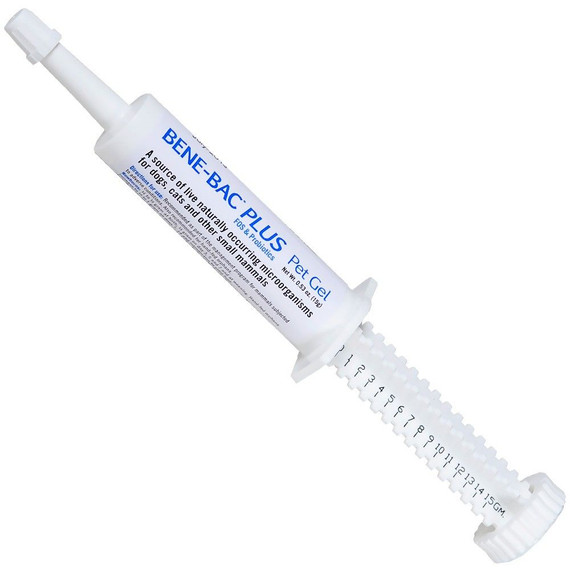
PetAg BeneBac Plus
BeneBac Plus Pet Gel is a concentrated blend of seven naturally occurring microorganisms found in the intestinal tract of mammals. Newborn mammals have no bacteria in their GI tract at birth and...
$5.71 - $33.99
Sale
Out of stock
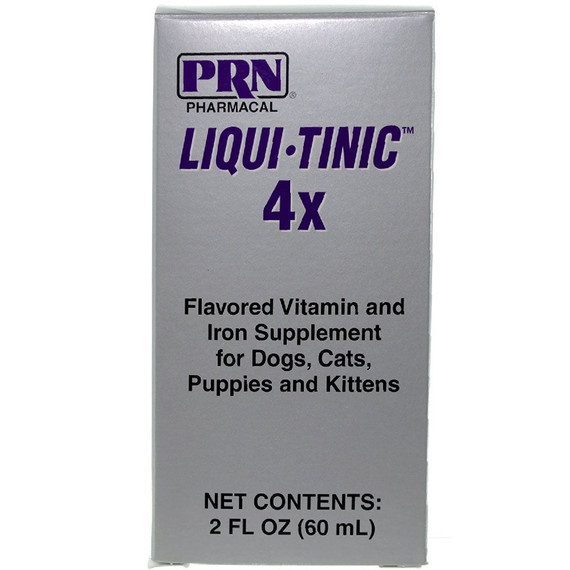
Liqui-Tinic
Liqui-Tinic 4x Vitamin & Iron Supplement with Dropper (2 oz)
PRN Liqui-Tinic 4X is for oral use as a nutritional supplement supplying iron, B complex vitamins, liver, and amino acid. Recommended for large and small animals as well as exotic species and zoo...
Was:
$21.99
Now:
$15.64
Sale
Sale











quote
I have found this brand fits my dog well and it true to it's measurements. Has been weraing since he was a puppy. I do wish the rings were 1) strong metal - so they would be strong enough to use in the car and I would no have to put his harness underneath and unzip it part way to clip him in.

quote
I have a 12 year old Yorkshire Terrier/Jack Russell cross who weighs 7.5 kg. He's quite stock and this medium sized fleece fits him perfectly. It is very much needed for those morning walks when the temperatures are cooler that means us humans need a jacket.

quote
I now have a few coats from this brand as the addition of the d rings mean my little dog can be walked without having to add a harness so she is not cluttered up with too much apparel. The fleece is true to size as advertised but is a snug fit if pooch is not slimline.